







Automatic wire stripping and soldering equipment
Automatic wire stripping and soldering equipment
Product Introduction
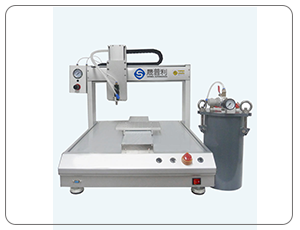
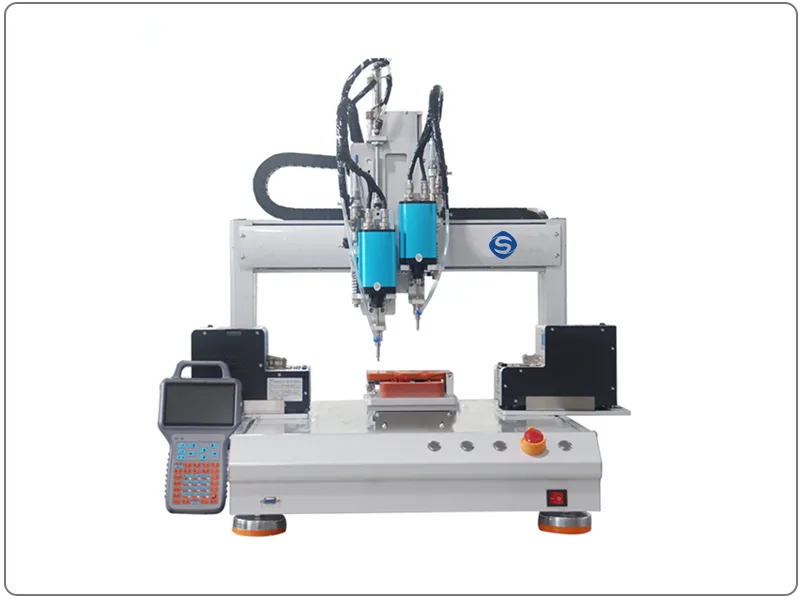
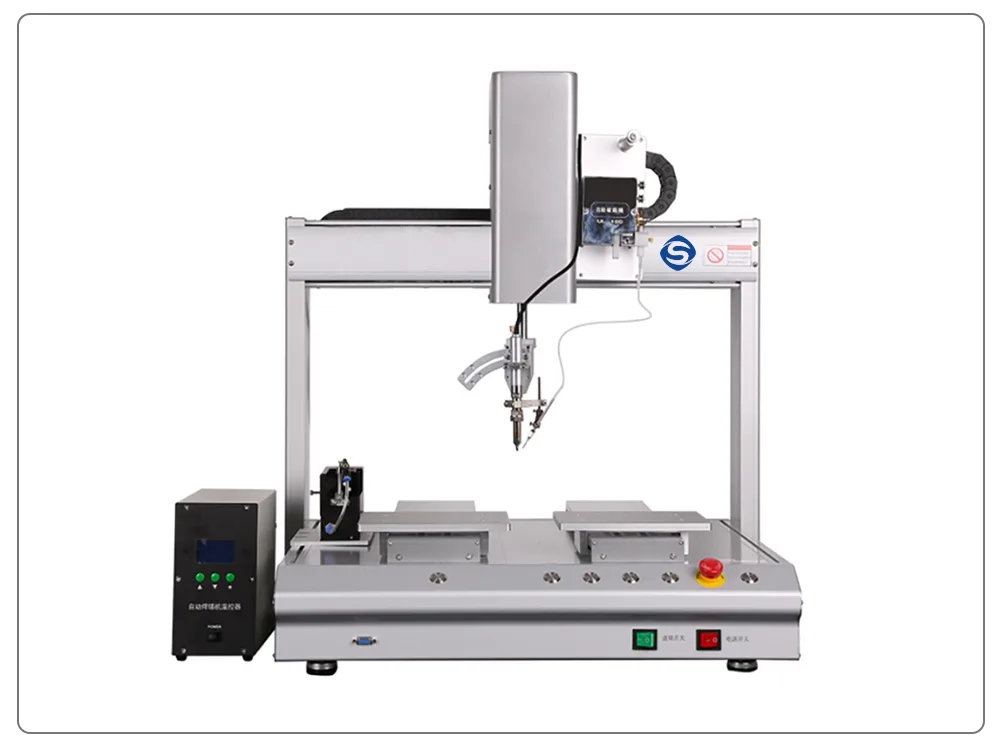
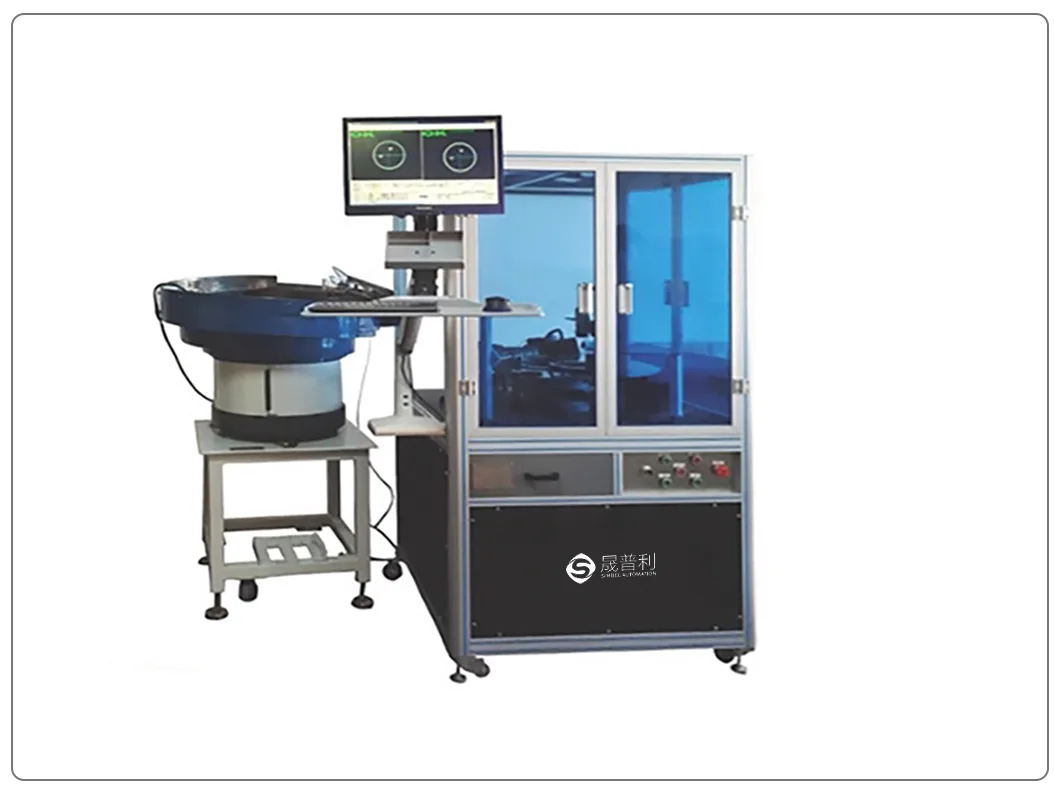
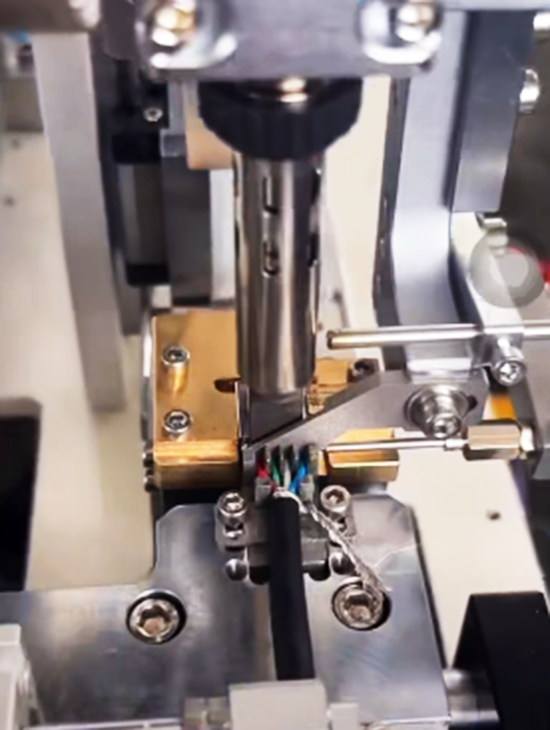
Automatic wire stripping and soldering equipment is the core equipment for realizing the full process automation of “wire cutting peeling twisting soldering flux soldering detection” in electronic wire harness manufacturing. Its core value lies in replacing manual labor, improving soldering consistency and production efficiency, reducing tin material waste and defect rate, and adapting to batch production scenarios such as USB wires, automotive wire harnesses, home appliance wires, multi-core sheathed wires, especially suitable for wire soldering in industries such as precision electronics, new energy vehicles, and consumer electronics.
Key technical parameters
| Item | Parameter | Remarks |
| Wire diameter adaptation | 0.08–6.0mm²(AWG32–AWG10) | Covering fine wire to thick power wire, multi-core wire compatible with 2-13 cores |
| Cutting line length | 35mm–20m(customizable) | Standard machine maximum 1.5m, long line material can be customized for extended models |
| Positioning accuracy | ±0.02–0.05mm | Affects the accuracy of soldering position, precision connectors need to be ≤± 0.03mm |
| soldering Temperature | 220–350℃(PID ±3℃) | Adapt to different wires and solder wires to prevent core wire burns |
| Production capacity | 1000–12000 pcs /hour | Single core wire approximately 6000-12000 pieces/hour, multi-core sheathed wire approximately 1000-3000 pieces/hour |
| Yield | ≥99% | Visual and electrical dual detection, reducing manual misjudgment rate |
| Power/Air Source | AC220V 50Hz / 0.4–0.6MPa | Adapt to factory standard power conditions |
Core advantages
- Quality improvement: The solder consistency reaches over 99%, reducing defects such as virtual soldering, solder bead damage, and core wire damage.
- Efficiency improvement: The production capacity is increased by 3-5 times compared to manual labor, supporting 24-hour continuous operation and short changeover time.
- Cost reduction: Reduce labor costs, minimize waste of tin and wire materials, and shorten debugging time.
- Traceability: Solder parameters and testing data can be recorded and uploaded for quality traceability and production management.


